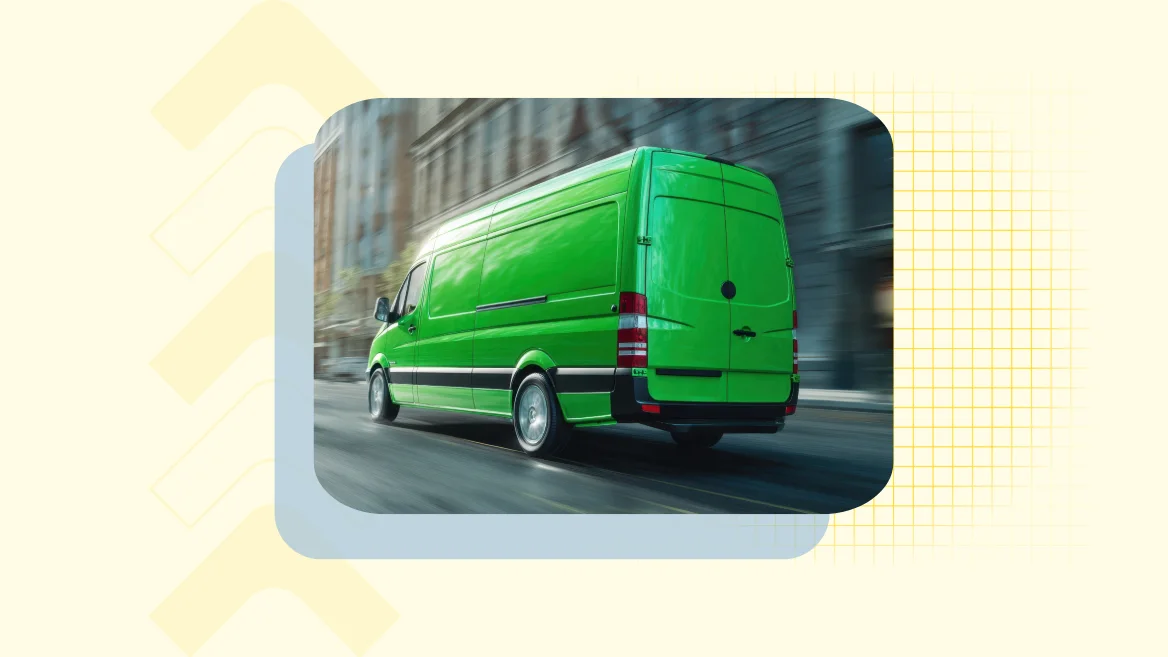

If you’re moving loads for payment, standard van insurance won’t cover you. That’s where courier insurance comes in.
Whether you’re an owner-driver working independently or a courier business with a small fleet, having the right insurance in place isn’t just about staying legal—it also helps protect your income and reputation.
In this guide, we’ll cover what courier insurance involves, who needs it, and how it ties into working on platforms like Courier Exchange.
What we’ll cover
Get access to 15,000+ loads a day on Courier Exchange
Be your own boss. Set your own hours. Make your own money.
What is courier insurance?
Courier insurance is a collection of policies designed to protect those transporting goods for hire or reward. It’s not a single product, but a group of cover types that reflect the real-world risks involved in the courier industry.
Unlike standard vehicle insurance, which only covers personal or business driving, courier insurance considers the added exposure that comes with moving third-party goods professionally—often over long distances, to tight delivery windows.
If you’re working through platforms like Courier Exchange (CX), you’ll be expected to hold the correct insurance before taking on any work.
What does courier insurance typically include?
Because no two courier jobs are quite the same, policies are often modular. Most couriers will need at least two or three of the following types of cover.
Each of these policies is covered in more detail in its own guide. Here, we’ll give you a top-level overview.
1) Hire and reward insurance
This is the core policy every courier needs. It allows you to carry goods in exchange for payment.
Without it, any courier job you take on could invalidate your courier van insurance—even if you have comprehensive cover.
2) Goods in transit (GIT) insurance
GIT insurance protects the actual goods you’re transporting.
If the load is stolen, damaged, or lost in transit, this policy covers the cost up to the declared value.
3) Public liability insurance
If you accidentally injure someone or damage their property while making a delivery—say, by scratching a customer’s car or slipping on their driveway—public liability insurance can protect you from legal costs and compensation claims.
4) CMR insurance (for international work)
CMR insurance is usually required for cross-border loads covered by the Convention on the Contract for the International Carriage of Goods by Road.
If you’re doing international courier work, especially across Europe, this is worth looking into.
Do you need courier insurance?
In short: yes, if you’re doing courier work.
If you’re carrying goods for money, hire and reward insurance is a legal requirement. Other cover types depend on the nature of your work, the value of the goods, and what your clients require.
Most shippers and freight forwarders will ask to see proof of cover before they award a job. If you’re on Courier Exchange, your insurance must be valid, verifiable, and up to date.
Even if you’re only doing occasional work or subcontracting your courier work, you’ll still need the right cover in place.
Choosing the right level of cover
Courier insurance isn’t one-size-fits-all. The cover you need and the courier insurance premiums you’ll pay depends on your vehicle, the types of loads you carry, and the contracts you’re bidding for.
Here are a few things to consider:
Vehicle type and usage
- Vans (from small panel vans to LWB) are the most common courier vehicles.
- Motorbikes and cars doing urgent documents or local deliveries might be cheaper to insure but come with restrictions.
- If you’re running a mixed fleet that includes HGVs, you’ll need to consider haulage insurance as well.
- Make sure your policy covers business mileage and regular long-distance use.
Nature of the goods
- Are you doing high-value courier jobs like electronics or medical equipment?
- Some GIT policies exclude certain types of goods unless specifically added.
- If you’re subcontracting, make sure your cover aligns with the shipper’s terms.
Contract requirements
- Some jobs on CX or with freight forwarders will specify minimum cover levels.
- Others may ask for specific add-ons like excess protection, breakdown cover, or courier fleet insurance if you run multiple vehicles.
It’s worth discussing these factors with a specialist broker: someone who understands courier work and can tailor a policy to suit.
Common mistakes to avoid
Even experienced couriers can run into trouble if they’re not careful with insurance. Here are a few things to watch out for:
- Using standard courier van insurance for courier work – this usually won’t cover hire and reward use.
- Forgetting to update your insurer when your working hours, routes or vehicle change.
- Assuming public liability is included in your policy (it often isn’t).
- Not declaring the full value of the goods you carry under your GIT cover.
- Letting cover lapse (even for a day) can cause problems with load access on CX.
Where to get courier insurance
We recommend getting courier insurance through Business Choice Direct (BCD), our trusted insurance partner for all courier-related cover.
BCD understands the industry and works directly with couriers and logistics professionals. They also offer policies designed specifically for those using Courier Exchange.
You can request a quote quickly online or speak with a specialist advisor who can tailor a policy to your work, whether you’re just starting out or expanding your courier business.
👉 Get a quote from Business Choice Direct
Courier insurance and the Courier Exchange
Courier Exchange is the UK’s leading platform for finding and managing A-to-B courier work. Whether you’re working with shippers directly or subcontracting for freight forwarders, having the right insurance is non-negotiable.
All CX members must have:
- Valid hire and reward insurance
- Goods in Transit insurance, with at least £5,000 in cover.
- Public liability insurance, depending on the nature of the loads
Your insurance details are verified as part of the onboarding process. Keeping them updated ensures you remain eligible for jobsand gives shippers peace of mind.
Tip: Members with verified insurance and good feedback often win more repeat work.
Conclusion
As a courier, you need to protect yourself, your vehicle, and your cargo.
Hire and Reward and Goods in Transit insurance are both essential for working in the UK. Couriers operating in and out of Europe also need CMR insurance and an Operator Licence.
Having these protects you from financial loss and ensures you comply with legal requirements. And if you’re running a mixed fleet that includes HGVs, you’ll need to consider haulage insurance as well.
For the best deals on courier insurance, get in touch with Business Choice Direct and get an exclusive rate for CX members.
Get access to 15,000+ daily loads on Courier Exchange
Be your own boss. Set your own hours. Make your own money.
Courier insurance FAQs
What’s the difference between courier insurance and haulage insurance?
Courier insurance is designed for multi-stop or urgent A-to-B deliveries (common in same-day work). Haulage insurance, on the other hand, typically applies to single-drop, long-distance HGV work. If you’re working through Courier Exchange, courier insurance is usually the right fit.
Can I use standard van insurance for courier work?
No. Most standard van policies exclude hire and reward use, which is what courier work falls under. If you take on paid deliveries without the correct cover, your courier van insurance could be void.
Do I need courier insurance for part-time work?
Yes. Even if you only take jobs occasionally, you still need hire and reward insurance. Many policies are flexible, with short-term or usage-based options. A specialist broker can advise on the best fit.
How much does courier insurance cost?
The cost of courier insurance varies based on your vehicle, location, experience, and cover levels. Policies can start from a few hundred pounds a year, but expect higher premiums for high-value goods or international work.
What proof of insurance do I need to join Courier Exchange?
You’ll need valid documents showing you have hire and reward, GIT, and (where applicable) public liability insurance. These are checked before your profile is approved and must be kept up to date.